Interactive Models
The Laboratory
Things you can pick up, turn over, take apart and break. Built to be explored, not just read.
Biology
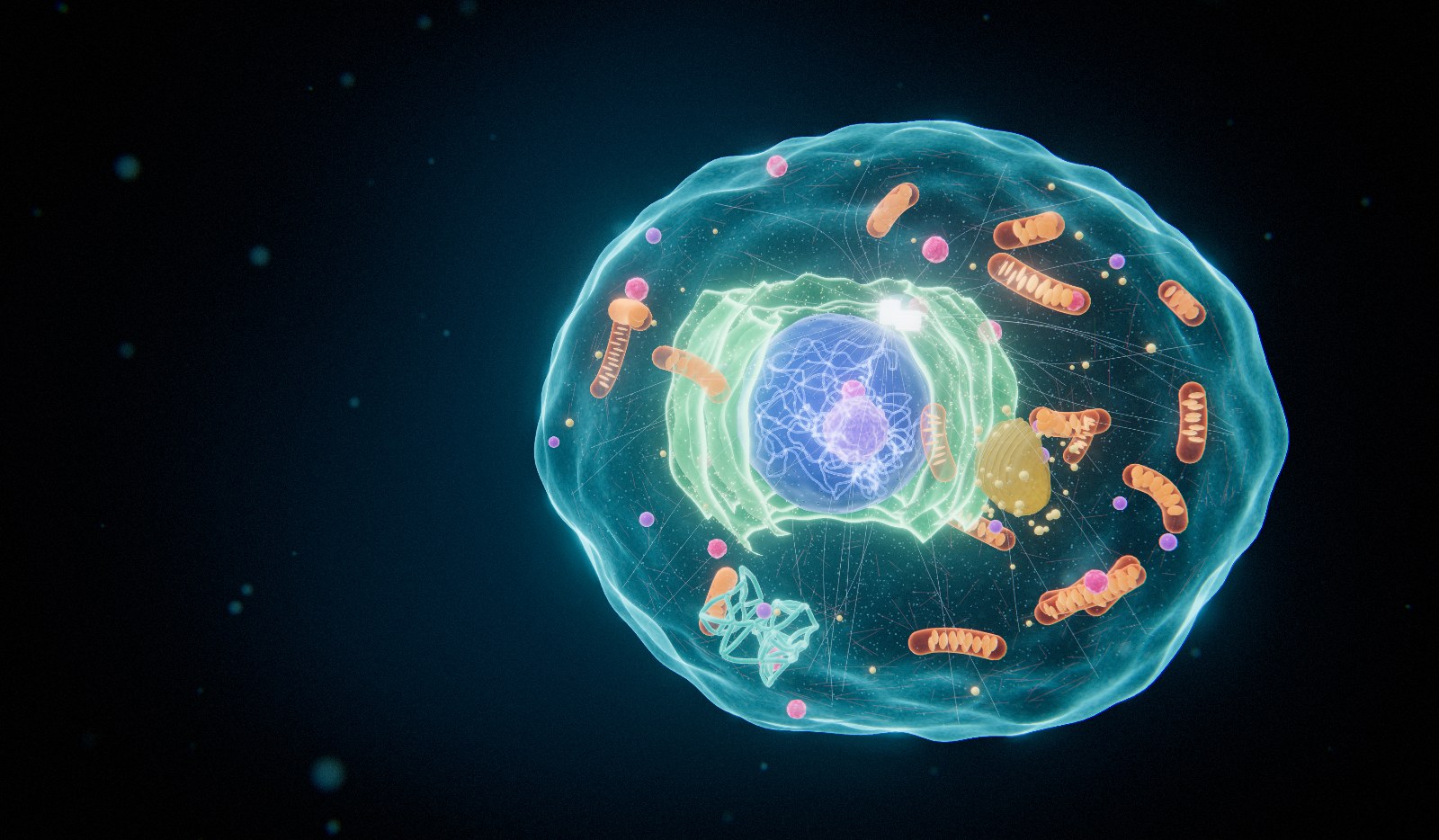
The Cell
A living animal and plant cell in 3D, drawn to scale. Find every organelle, see what it does, and watch them work together.
- 20 Structures
- Slice And Explode
- 4 Guided Processes
- Osmosis
- Knock-Out Experiments
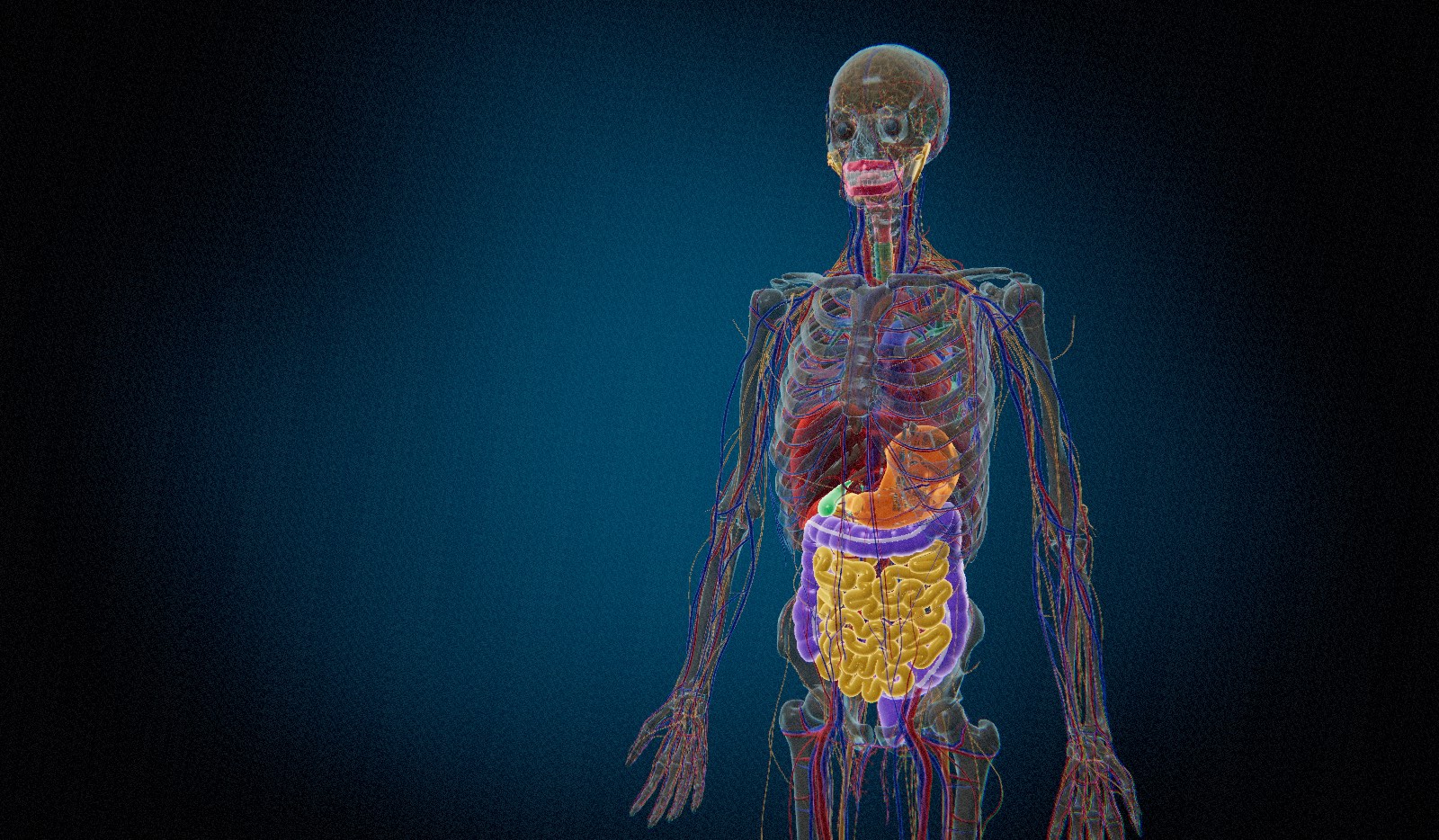
The Human Body
The body in 3D, built from real anatomy. Switch on the skeleton, the heart and vessels, the muscles and joints, the lungs, the brain and nerves, the digestive organs, and the kidneys and bladder. Pick any part to see what it is, then follow the blood, a breath or a meal step by step.
- 206 Bones
- Heart And Vessels
- Muscles And Joints
- Lungs And Airways
- Nerves
- Digestive Organs
- Kidneys And Bladder
- Guided Tours
- Tissue Up Close
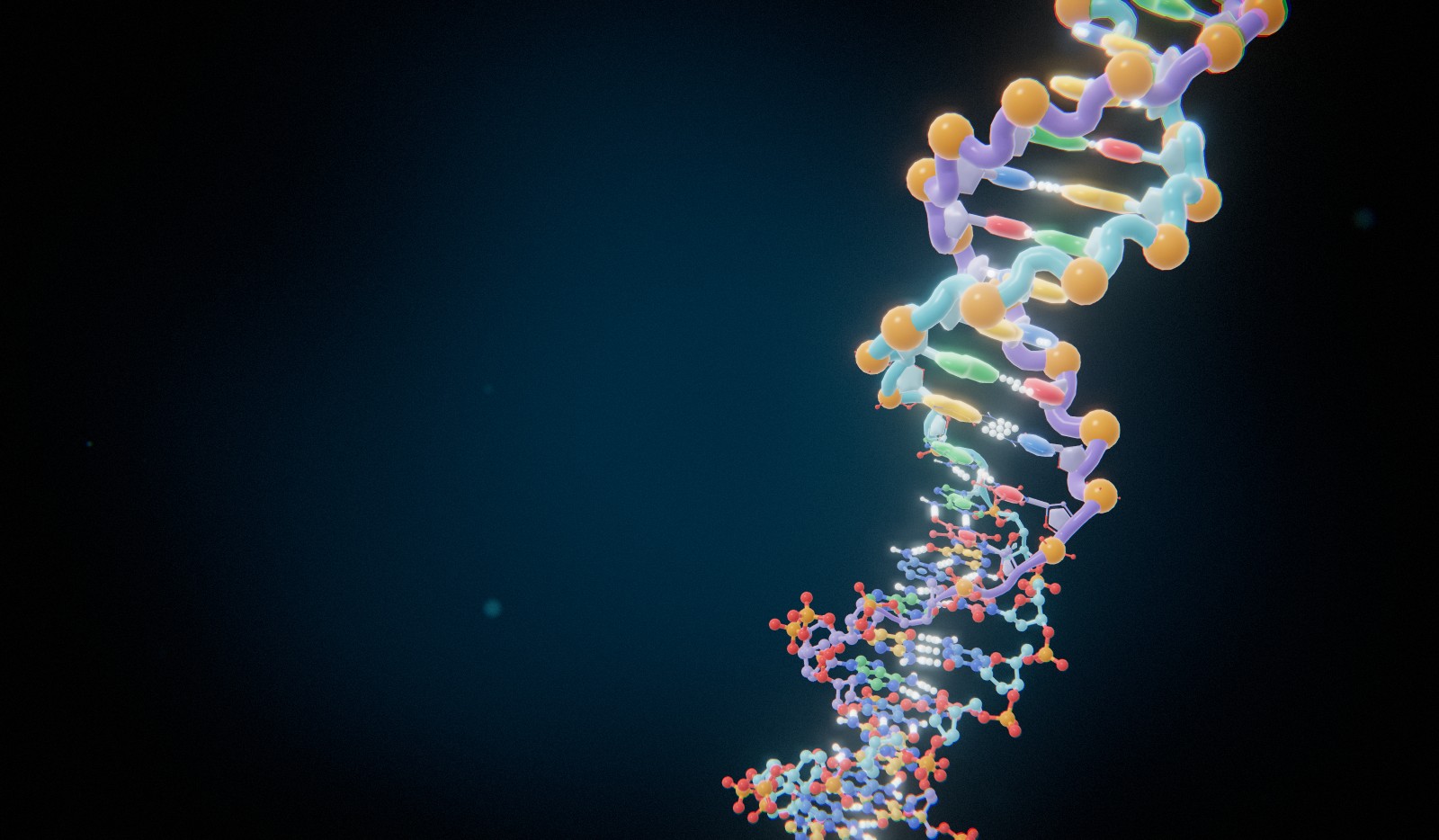
DNA
The double helix built atom by atom from measured coordinates, carrying the real first letters of the gene for hemoglobin. Untwist it, unzip it, change one letter and watch the protein change, then follow it being copied, read and packed into a chromosome.
- Every Atom In Place
- A Real Human Gene
- Change One Letter
- Copying And Reading It
- Real Enzyme Shapes
- Helix To Chromosome
Chemistry
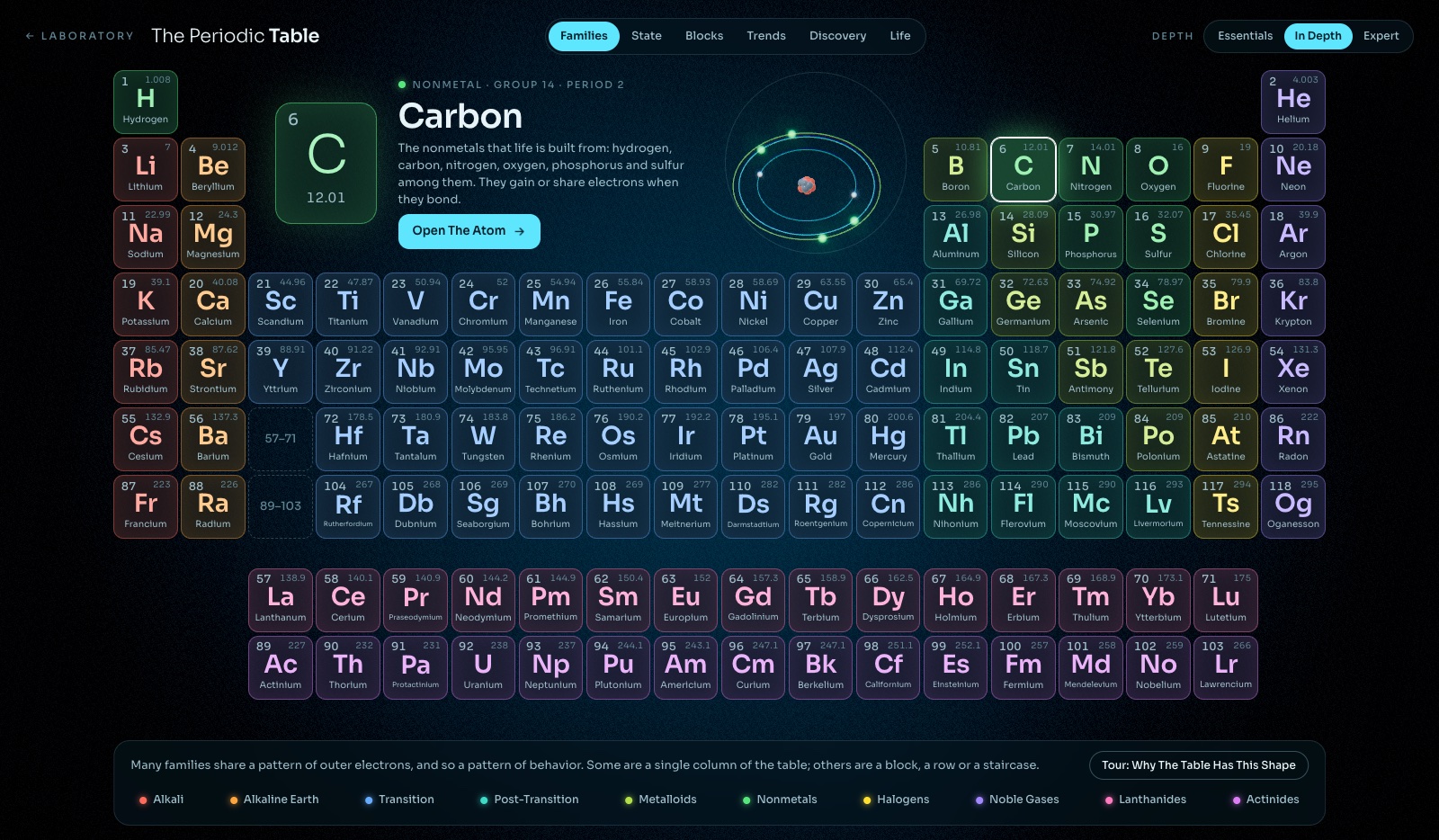
The Periodic Table
All 118 elements on a table you can recolor, slide through time and temperature, and open up. Pick any element to bring its atom to the stage, electron by electron, and read about it at the depth you choose.
- 118 Elements
- Six Lenses
- Melt And Boil The Table
- Every Atom In 3D
- Orbitals Up Close
- A Guided Tour
Earth Science

Planet Earth
One globe with five layers to switch between: the land and sea, the plates, the inside, the climate zones, and day and night. Find any country or capital, see why earthquakes line up along the plate edges, cut the planet open to its core, and move the Sun to watch the seasons change.
- Countries And Capitals
- Biomes
- Plates
- Inside
- Climate Zones
- Day And Night
Geometry
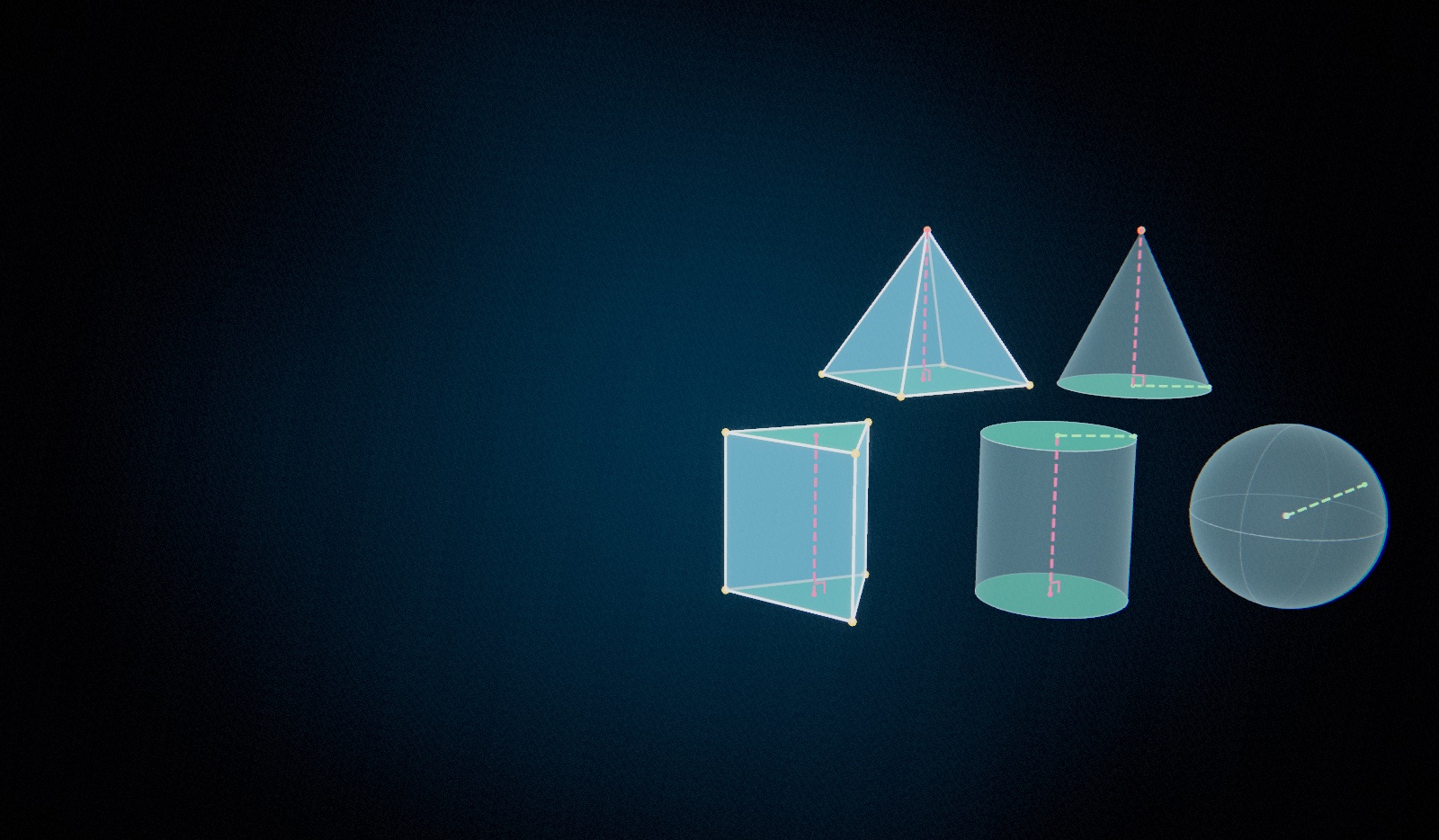
Solids
A prism, a pyramid, a cylinder, a cone and a sphere, built as shapes you can pick up and turn. Find every face, edge and vertex, front and back, with each height and radius drawn in.
- Five Solids
- Turn Them Over
- Faces, Edges And Vertices
- Height And Radius
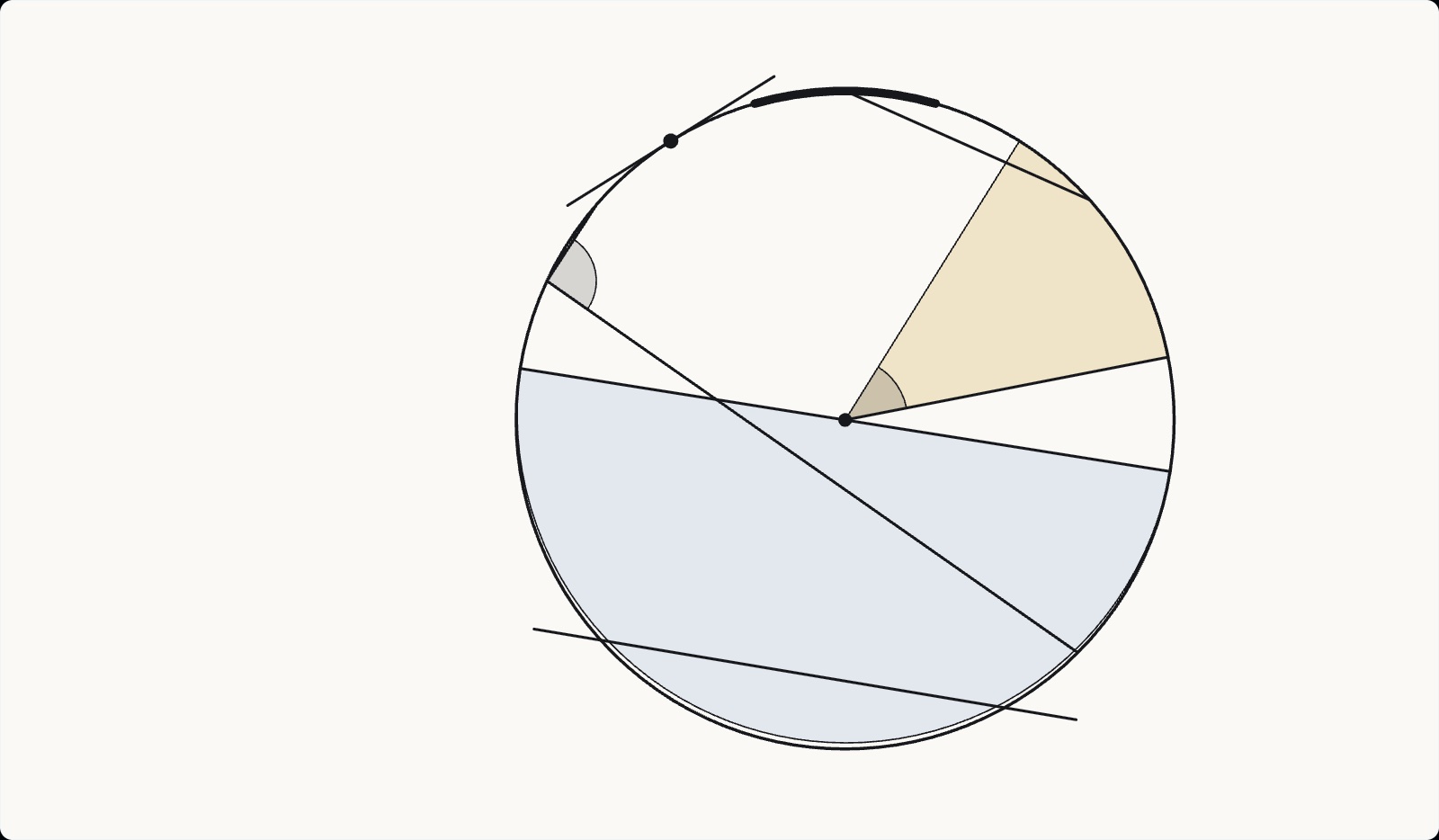
Parts Of A Circle
One circle with every part of it numbered: the center and the radius, the chord and the secant, the tangent and where it touches, the arc, the sector, and the angles at the center and on the edge. Name them from a key, or let your Notes pick the parts to name.
- Thirteen Parts
- Names From Your Notes
- Name It And Find It
- Print The Sheet
A journal is a page you read and work in: the argument is on the paper, and the figures are yours to move.
From Your Notes
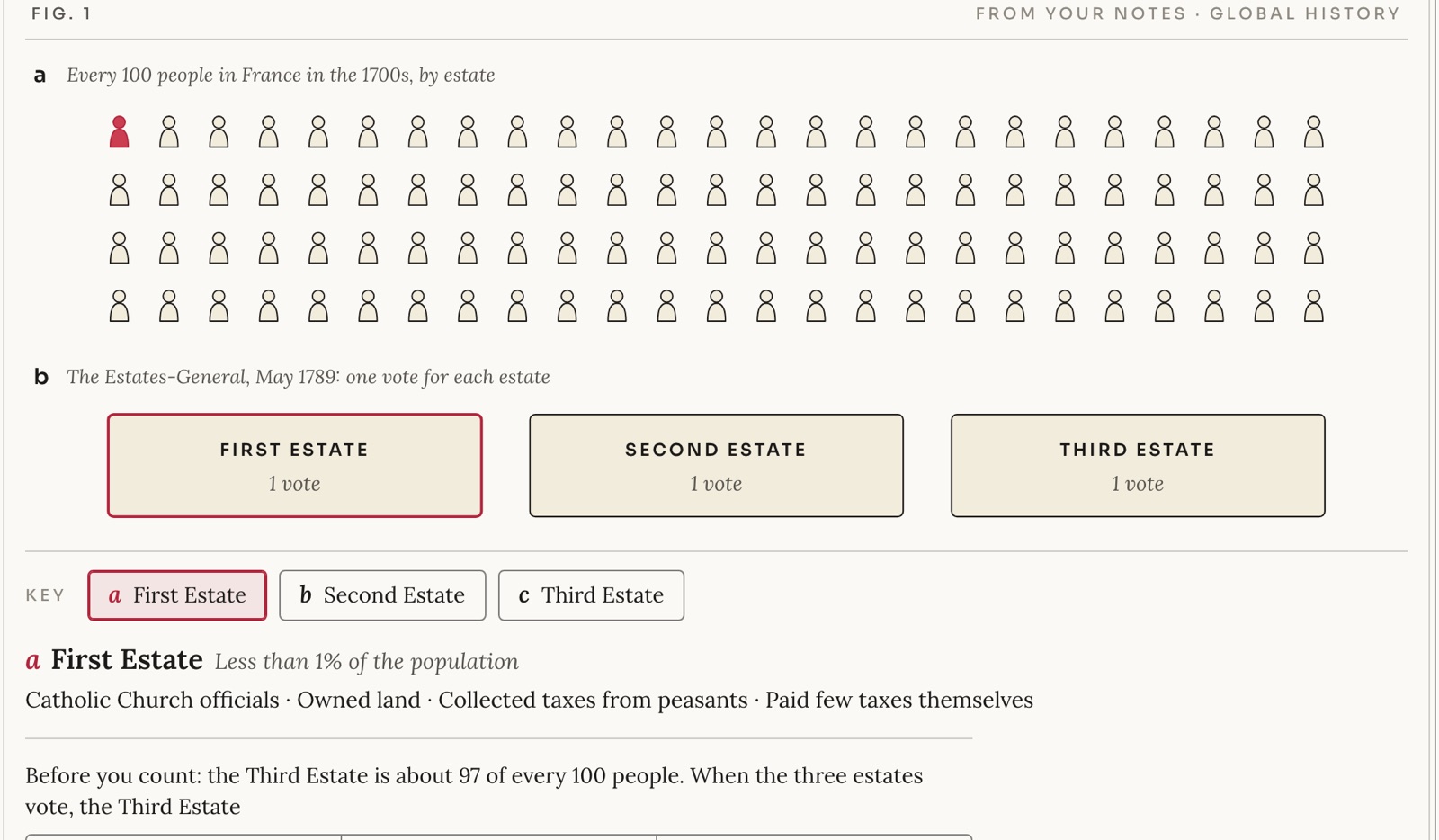
The French Revolution
A journal Soren made from your French Revolution unit. Four plates drawn from your own notes: count the vote that started it, put fourteen dates in order, trace the Enlightenment's ideas into the Declaration, and weigh the Terror's dilemma. A prototype.
- Three Estates, Three Votes
- Fourteen Dates
- Ideas Carried Forward
- The Dilemma
- Made From Your Notes
- You Write The Caption
Biology
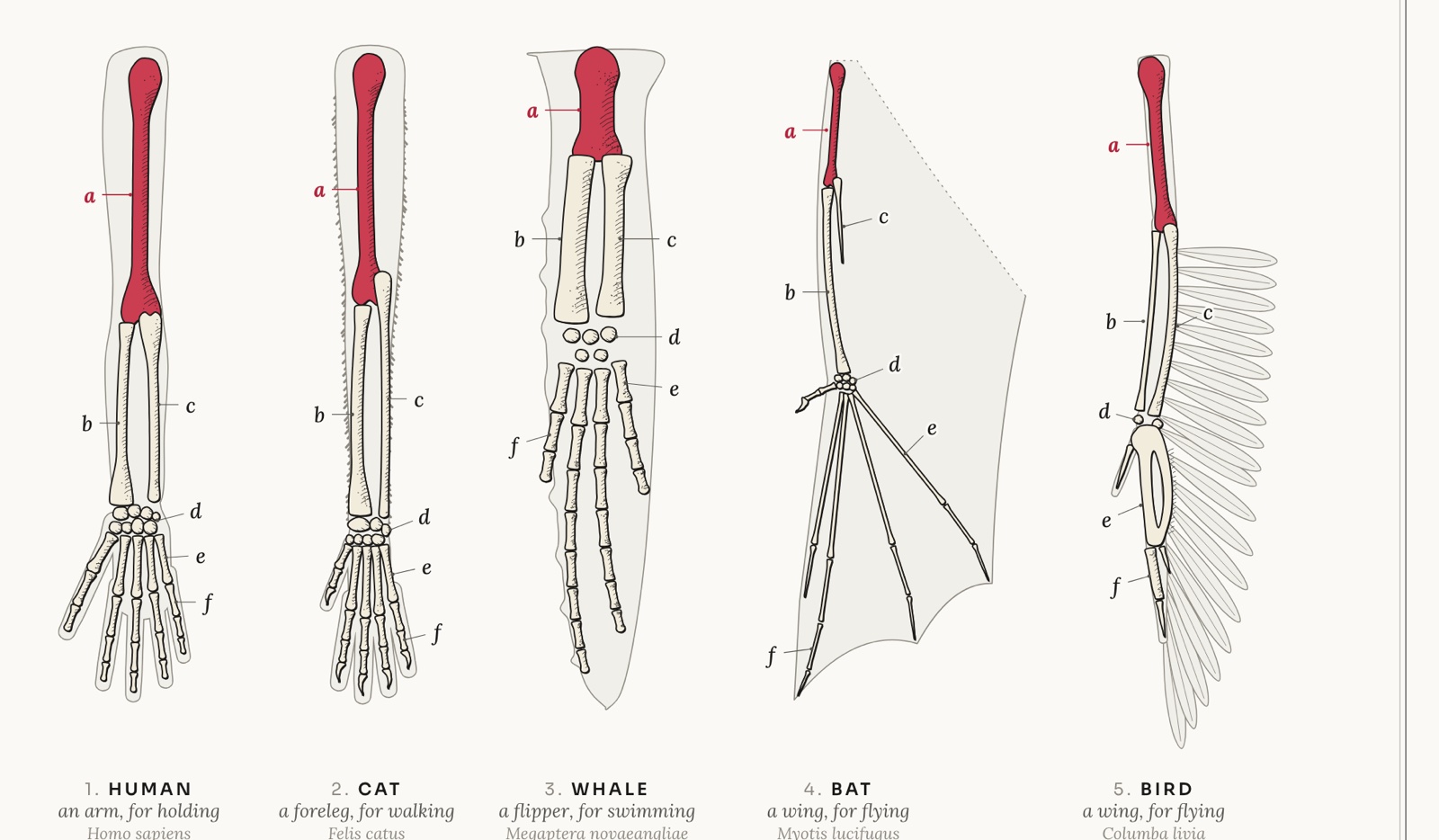
Evolution: The Evidence
The evidence for evolution as a cabinet of ink plates, each one a figure you can work. Four figures so far: the same bones in five forelimbs, four fossil whales and a living one read up through a column of rock, 4.6 billion years on a ruler, and a tree of thirteen living things where any two can be traced back to where they meet.
- Same Bones, Different Jobs
- In The Rocks
- Deep Time
- The Tree
- How A Rock Gets Its Date
- Links To The Human Body
- Real Plates From 1555
- Three Depths
Natural Selection: The Theory
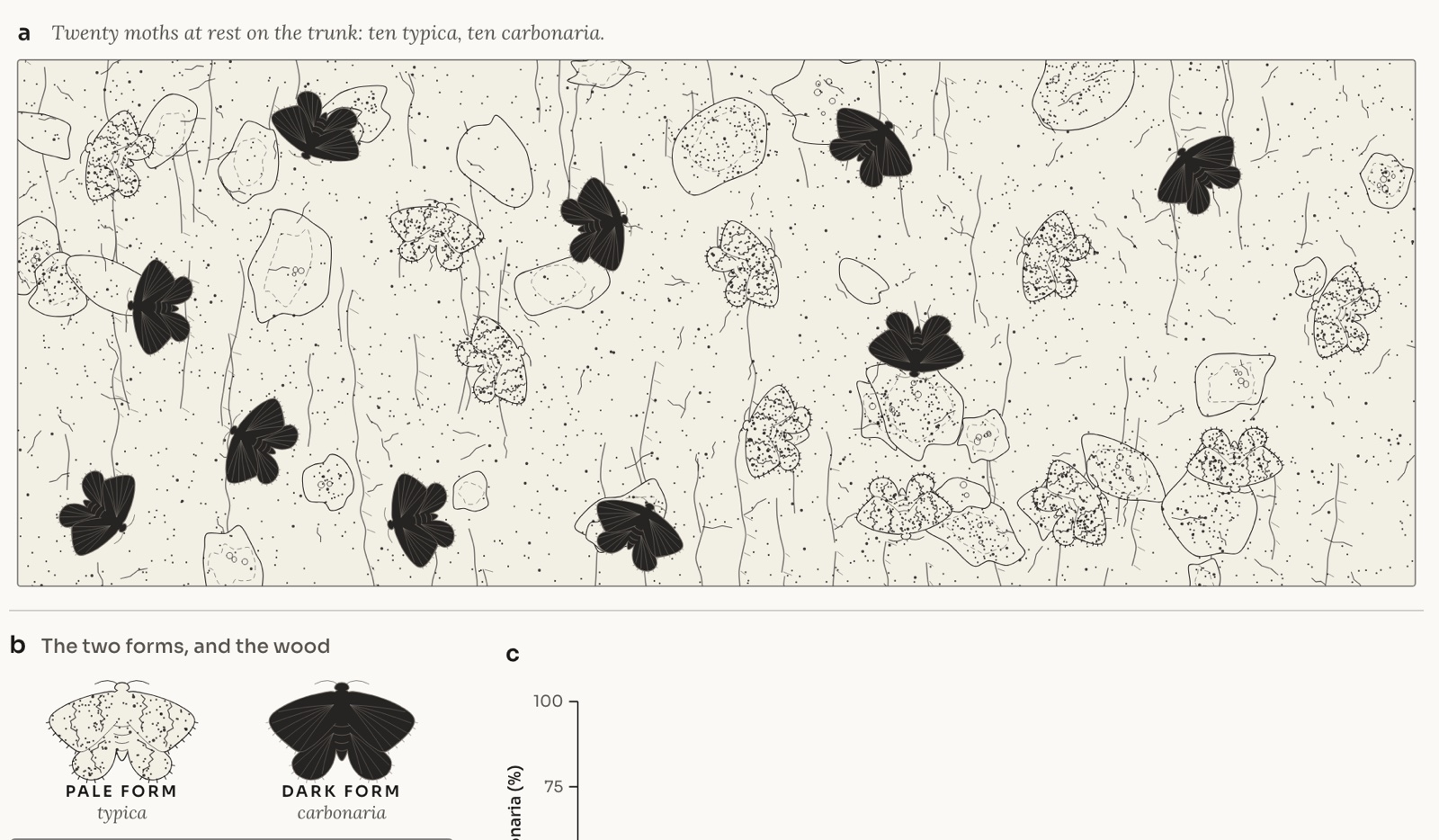
Darwin's argument in five steps, then experiments drawn like the plates of a journal, which you can work. Hunt peppered moths on a tree trunk as a bird does, run the drought that reshaped Darwin's finches from the Grants' own measurements, drag the rule for who survives, and watch chance alone change a small population.
- The Argument In Five Steps
- You Are The Predator
- The Finches' Drought, From Real Data
- Three Ways To Select
- Chance Alone
- Three Depths
Geometry
Geometry: Rigid Motions
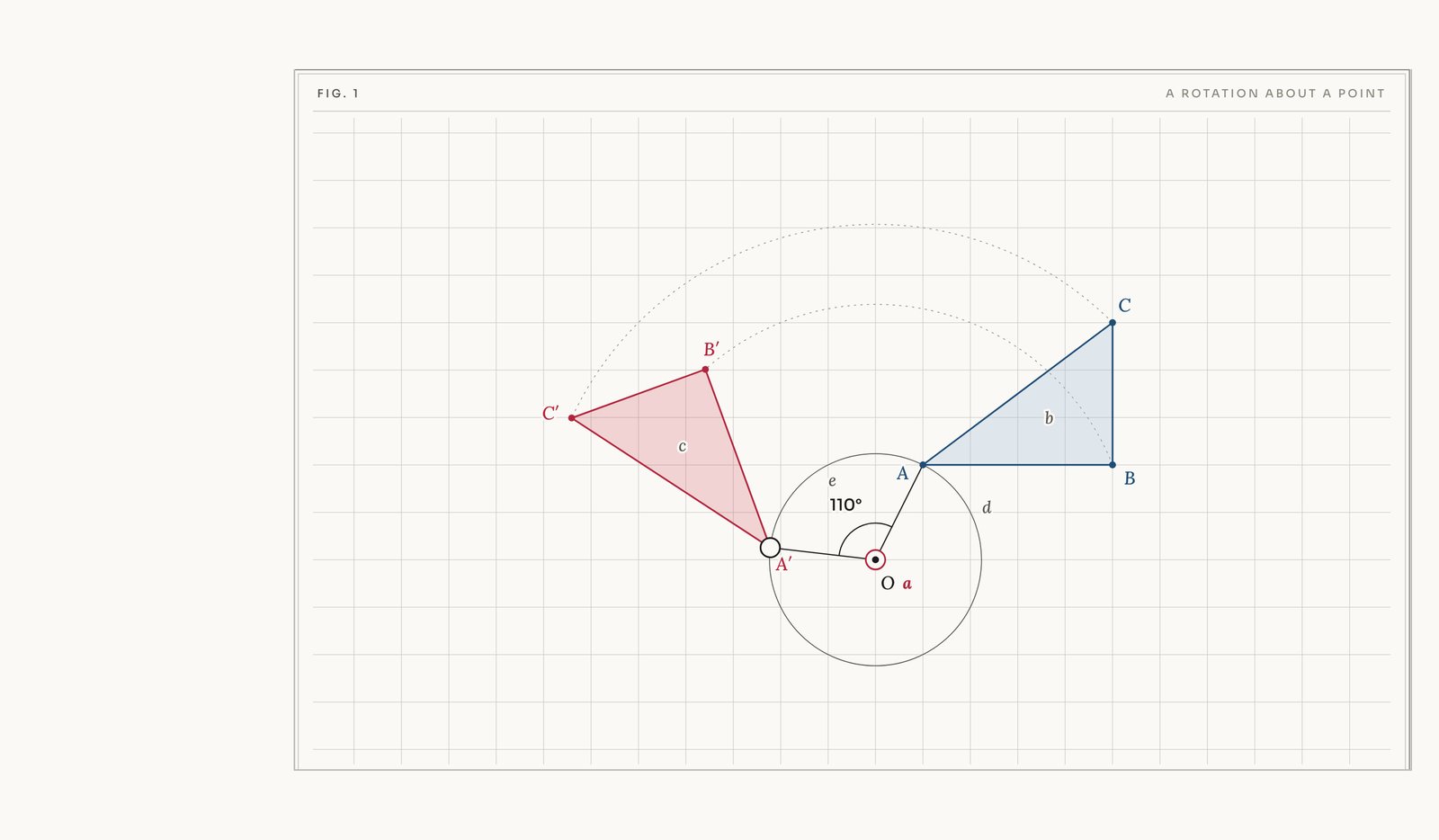
A first look at rigid motions as a ruled plate you can work. Turn a triangle about a point you can move, and read its sides and angles, measured again from the drawing each time anything changes. One figure so far, with the rest of the motions to come.
- Turn It
- The Center
- Before
- After
- A Corner’s Circle
- The Angle Of The Turn
Best on a computer or a tablet held sideways. So far the Laboratory covers biology (the cell, the body and DNA), chemistry (the periodic table), earth science (planet Earth) and geometry (the solids and the circle).